
Fountain Gate Elite Primary School Standard Seven Pupils Give Back to Dodoma Community
A school’s true impact is seen not only in exam results, but also in the character its pupils carry into the wider community.
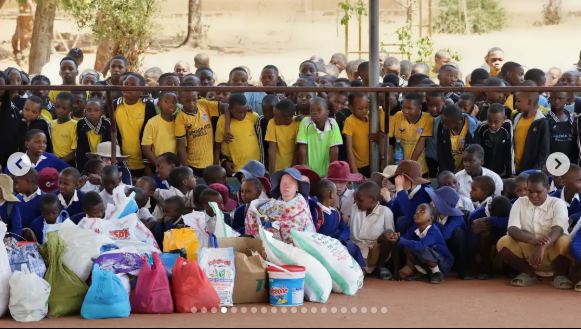
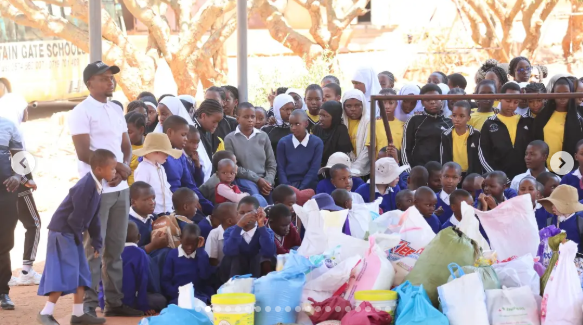
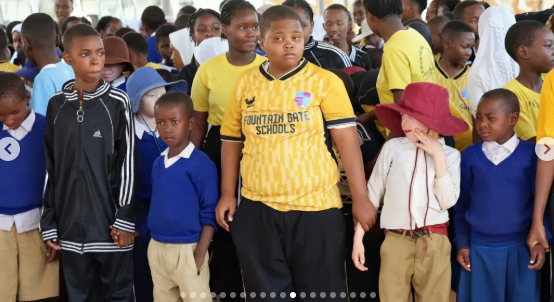
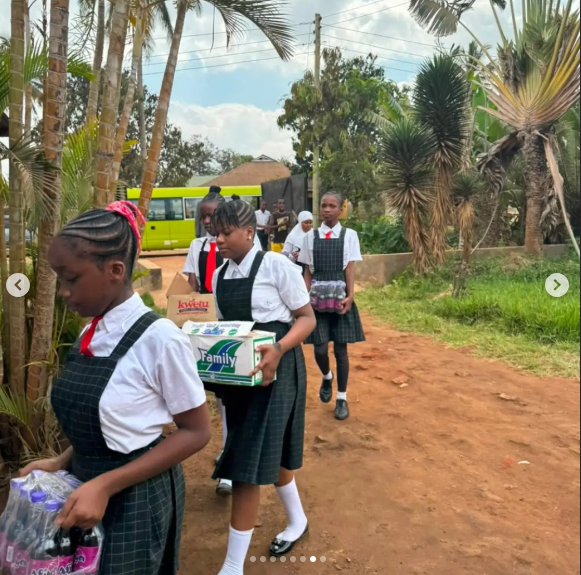
On 4 September 2026, Standard Seven pupils from Fountain Gate Elite Primary School in Dodoma are taking part in community outreach as they move closer to their final examinations. The activity follows a meaningful school tradition: before completing primary school, Standard Seven pupils perform acts of charity and give back to the community that surrounds them.
For pupils preparing for one of the most important academic moments of their primary education, this outreach offers a lesson that cannot be measured only by marks. It teaches kindness, responsibility, humility and service.
A school tradition rooted in service
For many schools, the final year of primary education is filled with revision, mock examinations and preparation for the national Standard Seven assessment. At Fountain Gate Elite Primary School, this period also includes a call to serve.
The outreach tradition reminds pupils that education should build both the mind and the heart. As the Standard Seven class prepares to move on to the next stage of learning, they are encouraged to look beyond themselves and recognise the needs of others.
This kind of activity can include simple but meaningful acts such as:
Visiting people in need within the community
Donating food, clothing, books or other useful items
Offering time, care and encouragement
Cleaning shared spaces or supporting local community efforts
Learning directly from the experiences of others
The value is not only in what pupils give. It is also in what they learn through the act of giving.
Fountain Gate Elite Primary School Standard Seven Pupils Give Back to Dodoma Community is more than an event title. It reflects a wider belief that young learners can become compassionate citizens when schools create space for service.
Why community outreach matters before final examinations
Final examinations often bring pressure. Pupils spend long hours reviewing notes, practising past papers and preparing themselves mentally for the next step. Community outreach provides a different kind of preparation.
It helps pupils pause and reflect on why education matters. A child who learns to care for others starts to understand that knowledge has a purpose beyond personal success.
Service can also strengthen important life skills. Pupils learn how to organise themselves, communicate respectfully and work as a team. They see the value of listening. They practise patience. They learn that leadership can be quiet and practical.
These are lessons that can support them in secondary school and beyond.
For Standard Seven pupils, the timing is meaningful. They are at an age where they are beginning to understand their role in society more clearly. Giving back before final examinations reminds them that achievement and compassion can grow together.
Charity at school level does not need to be grand to be meaningful. A thoughtful act, done with respect, can leave a lasting lesson.
Pupils learn from the Dodoma community
Dodoma is not just the location of the outreach. It is part of the learning experience.
When pupils engage with the community around them, they learn to see people and places with more care. They begin to understand that every community has needs, strengths and stories. This awareness can shape how they think about responsibility.
A classroom can teach values through words. Community outreach allows pupils to experience those values in action.
For example, handing over useful items teaches generosity. Greeting elders respectfully teaches dignity. Working together teaches cooperation. Seeing gratitude on someone’s face teaches empathy in a way no textbook can fully capture.
The outreach also helps pupils appreciate the support systems around them. Families, teachers, neighbours and local community members all play a role in a child’s growth. Giving back becomes a way of recognising that learning does not happen in isolation.

Teachers help turn charity into character
Community outreach becomes more powerful when teachers guide pupils through its meaning. The activity is not only about collecting items or making a visit. It is about helping children understand why service matters.
Teachers can support this by asking pupils to reflect on questions such as:
What did we learn from the people we met?
How did our actions help someone else?
What can we continue doing after this event?
How can we show kindness at school and at home?
These reflections help pupils connect the outreach to daily behaviour. A pupil who learns to be generous during an organised activity can also learn to share, include others and show respect in ordinary moments.
This is where character formation happens. It grows through repeated practice, guided reflection and real examples.
Parents and guardians also play a role. When families encourage children to take part in charity with the right attitude, the lesson becomes stronger. Pupils learn that giving is not for praise. It is a way of living responsibly with others.
A memorable step before the next academic journey
For the Standard Seven class, this outreach will likely become one of the memories that marks the end of their primary school journey. Examinations will test what they have learned in class, but service will remind them of the kind of people they are becoming.
The move from primary to secondary school is a major step. Pupils will face new subjects, new routines and new expectations. Carrying the values of compassion and responsibility can help them adjust with confidence.
Schools that make room for charity send a clear message: academic success matters, but character matters too.
That message is especially important during exam season. It helps pupils understand balance. They can work hard for their future while also caring about the present needs of others.
The takeaway
The community outreach by Fountain Gate Elite Primary School’s Standard Seven pupils is a meaningful reminder that education reaches beyond the classroom. As the pupils approach their final examinations, they are also learning a lesson in kindness, gratitude and responsibility.
For Dodoma, the outreach is an act of care. For the pupils, it is preparation for life.
The strongest schools do more than prepare children to pass exams. They help raise young people who understand the value of serving others with respect.

Comments