
Fountain Gate Foundation Joins Dodoma NGO Forum on Sustainability
Sustainability is one of the hardest questions facing community organisations. Good intentions may open doors, but long-term impact depends on planning, trust, steady resources, and the ability to keep serving people even when conditions change.
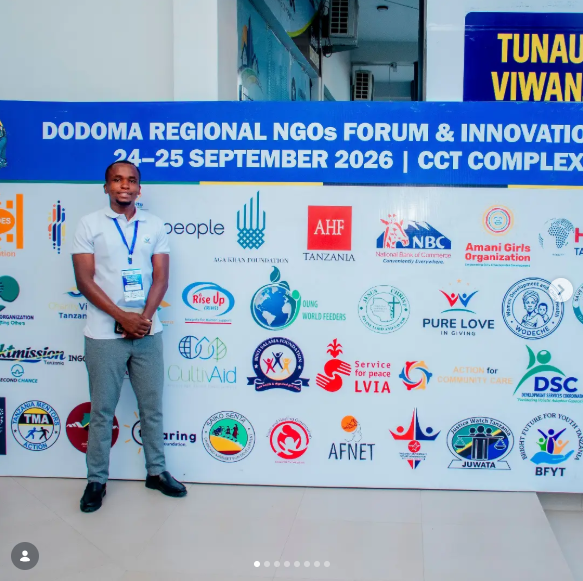
On 24 September 2026, Fountain Gate Foundation took part in the Annual Non-Governmental Organizations Forum for the Dodoma Region, joining more than 300 NGOs from across the region. The forum brought organisations together to reflect on the future of civil society work in Tanzania, with a clear focus on how NGOs can remain active, useful, and accountable to the communities they serve.
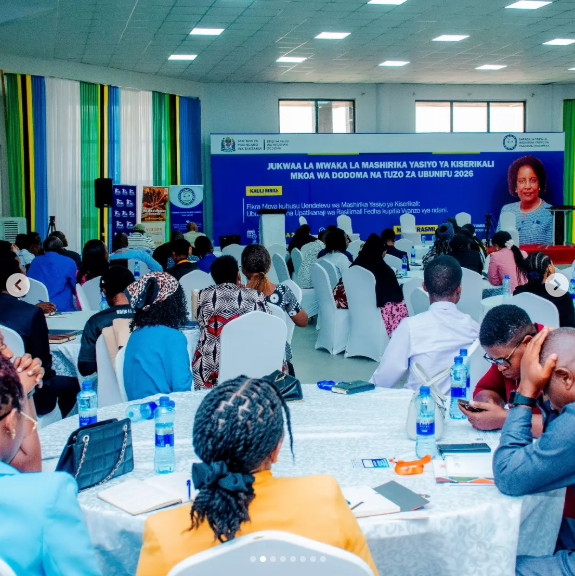
The Guest of Honour, Dodoma Regional Administrative Secretary Dr Khatibu Kazungu, addressed key issues that affect the sustainability of organisations in the region. His message called for continued commitment, stronger execution, and focused work that supports real community needs.
The forum placed sustainability at the centre of NGO work
The gathering created space for organisations to talk openly about what it takes to survive and serve well over time. For many NGOs, sustainability is not only about funding. It also involves strong leadership, clear programmes, skilled teams, community confidence, and good relationships with public institutions.
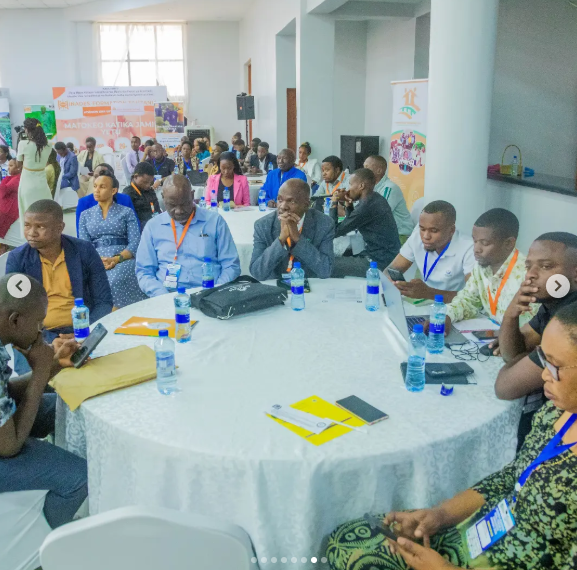
The participation of more than 300 NGOs showed how important this conversation has become in Dodoma. Organisations working in different sectors often face similar challenges. They need to plan programmes that can continue beyond one activity cycle. They need to document their results. They need to remain transparent with partners, communities, and authorities.
For Fountain Gate Foundation, taking part in the forum was an opportunity to listen, learn, and connect with other organisations working for community development. Forums like this help NGOs compare experiences and identify practical ways to improve their work.
The central message was clear. Organisations must keep building the systems that allow them to exist, serve, and grow responsibly.
Dr Khatibu Kazungu called for commitment and continuity
As Guest of Honour, Dr Khatibu Kazungu highlighted several factors that are fundamental to the sustainability of organisations in the Dodoma region. His remarks focused on the need for NGOs to make concerted efforts to ensure their continued existence and to carry out the activities they have committed to implementing in the community.
That message matters because many community projects depend on consistency. A programme that starts well but stops too soon may leave families, young people, or local groups without the support they expected. Sustainability helps protect communities from broken plans and unfinished work.
Dr Kazungu’s emphasis also pointed to a practical truth. NGOs should not only announce activities. They should implement them well, monitor their progress, and remain accountable for the results.
This kind of commitment requires discipline. It calls for organisations to:
Set clear goals that respond to community needs
Build capable teams and responsible leadership
Use resources carefully and transparently
Keep regular communication with community members
Review activities and learn from each stage of implementation
These steps may sound simple, but they are often what separate short-term activity from lasting community contribution.
Why NGO sustainability matters in Dodoma and beyond
Dodoma continues to be an important centre for public administration, civic engagement, and community development in Tanzania. As organisations work alongside communities, government offices, faith groups, and local leaders, their ability to remain stable affects the quality of support people receive.
Sustainable NGOs can build trust over time. They can follow up with communities instead of appearing only for one event. They can retain knowledge, improve their methods, and respond better when needs change.
For example, an organisation supporting youth development may need several years to see strong results. A health awareness initiative may require repeated visits, local champions, and consistent messaging. A livelihood project may need follow-up training and careful tracking. None of these efforts works well if an organisation is unstable.
That is why the Dodoma NGO Forum was not only an administrative event. It was a reminder that civil society work carries responsibility. Communities deserve organisations that plan seriously, act honestly, and remain present long enough to make a difference.
Fountain Gate Foundation’s presence at the forum reflected that understanding. By engaging in regional discussions, the Foundation joined a broader effort to strengthen the quality and continuity of NGO work.
Shared learning can strengthen community impact
One of the most valuable parts of any NGO forum is the exchange of experience. When many organisations gather in one place, they bring lessons from different communities, sectors, and ways of working.
Some organisations may have strong community mobilisation methods. Others may have better systems for monitoring activities. Some may have experience working with local government structures. Others may bring lessons on volunteer management, safeguarding, or resource planning.
When these lessons are shared, organisations can avoid repeating the same mistakes. They can adopt better practices and strengthen collaboration. This is especially useful in regions where community needs are connected across sectors.
A child protection initiative may link with education work. A women’s economic project may connect with health awareness. A youth programme may need partnerships with local leaders, schools, or training centres. No single organisation can do everything alone.
The forum offered a setting where NGOs could see themselves as part of a wider regional effort. That spirit of cooperation is essential for long-term results.
Sustainability grows stronger when organisations learn together, coordinate better, and keep communities at the centre of their plans.
Fountain Gate Foundation remains focused on meaningful service
Participation in the Annual NGO Forum gave Fountain Gate Foundation a chance to reaffirm its commitment to community-centred work. The discussions aligned with the Foundation’s broader responsibility to support initiatives that are practical, accountable, and responsive to real needs.
Events like this also help organisations measure their direction. They raise useful questions.
Are activities being implemented as planned? Are communities seeing value from the work? Are resources being used in a responsible way? Are partnerships being built with care? Is the organisation prepared to continue serving in the years ahead?
These questions are not only for large organisations. They are relevant to every NGO that wants to make a lasting contribution in Tanzania.
The message from the forum should continue well beyond the event date. Sustainability is built through everyday choices, from how programmes are designed to how results are reported. It grows through leadership, discipline, and a steady commitment to the people an organisation serves.
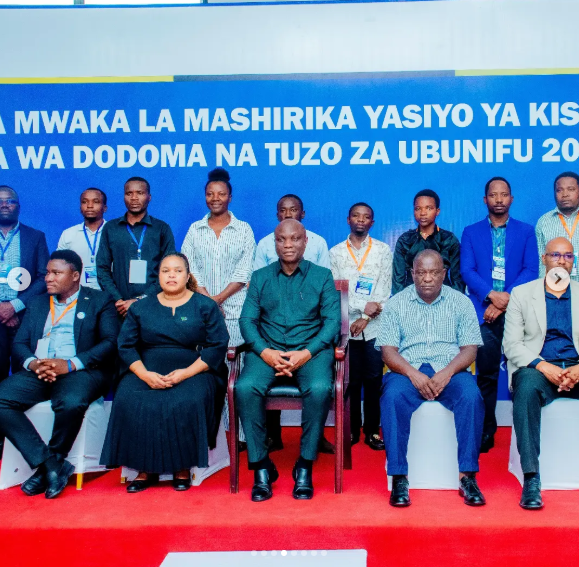
The Dodoma NGO Forum brought together a wide range of organisations around one shared concern: how to keep serving communities well into the future. Fountain Gate Foundation’s participation marked an important step in that ongoing work.
The takeaway is straightforward. Sustainable organisations do more than survive. They keep their promises, strengthen trust, and turn plans into real service for the community.

Comments